
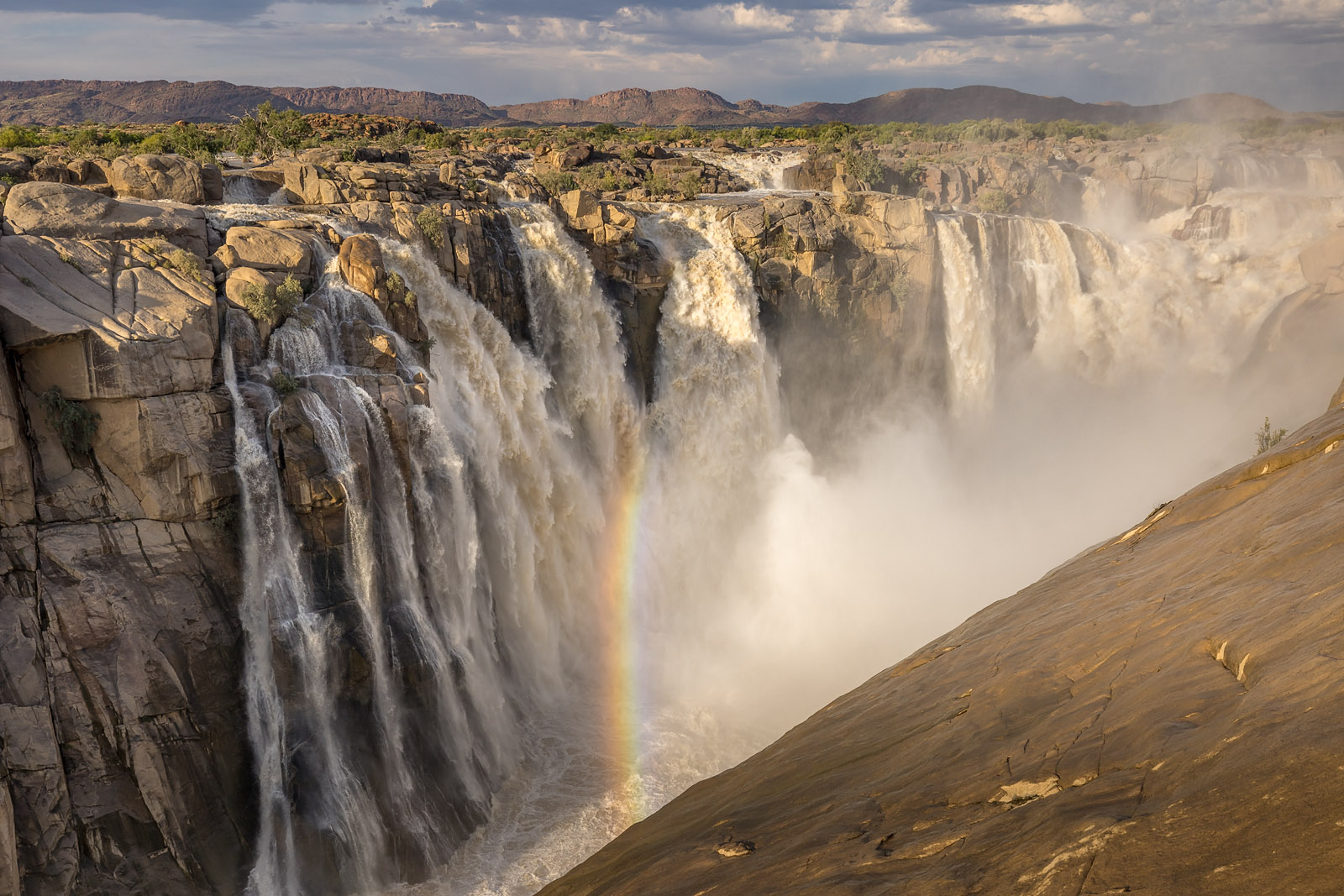
Augrabies Falls, Augrabies National Park, Northern Cape Province, South Africa.
Canon EOS R5 with Canon RF15-35mm f/2.8L IS USM lens @35mm.
ISO 200. 1/320 sec at f/11. Aperture priority exposure mode.
We had booked to go to the Kgalagadi Transfrontier Park about a year ago, and decided that we should also pay a visit to the Augrabies National Park to see the falls and also enjoy the rugged landscape of the park. We had not been to the Augrabies for some 30 years and clearly remembered the barren and desolate terrain. Well, we could not have picked a better time as the Orange River was in flood and the area had experienced well-above average rainfall. This meant the falls were in full spate and the landscape so different from what I remembered from our last visit.
The Orange River funnels its entire volume into a narrow gorge about 18 metres wide before plunging about 56 metres into the canyon below. It was impossible to capture an image close to the main fall as the camera lens got soaked immediately. Although my camera and lenses are pretty much waterproof in rain, this was something else entirely. The sheer force of the wind created by the fall of the water is something to experience.
The image above was taken some way down from the main falls to avoid the spray – but I still needed to wipe the lens after almost every shot. The image below shows the falls as close as I could get and still manage a quick exposure. The Khoikhoi name Aukoeribis means “place of great noise” and in full flood you understand instantly. The roar is heard kilometres away – a thunderous sound that you feel in your body as much as hearing it.
The water is reddish-brown, washed off the Karoo and Lesotho highlands upstream. The main falls lose their clean, defined curtain of water and become a churning boiling chaos – especially evident in the image below.
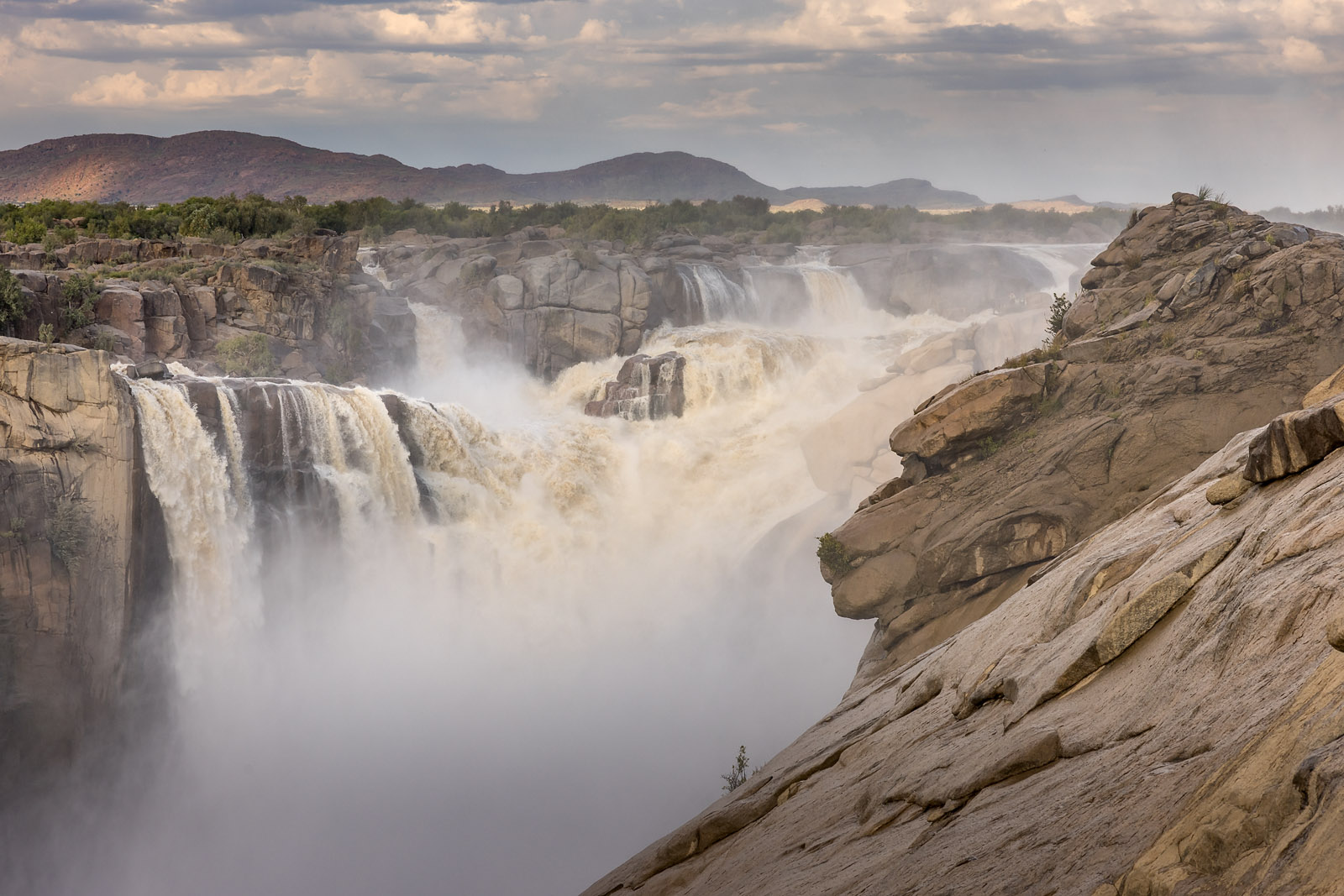
Augrabies Falls, Augrabies National Park, Northern Cape Province, South Africa.
Canon EOS R5 with Canon RF28-70mm f/2L IS USM lens @70mm.
ISO 200. 1/200 sec at f/11. Aperture priority exposure mode.
The normally arid, rocky landscape of the Northern Cape was transformed. Secondary cascades burst from side channels that are completely dry for most of the year. Again evident in image below.
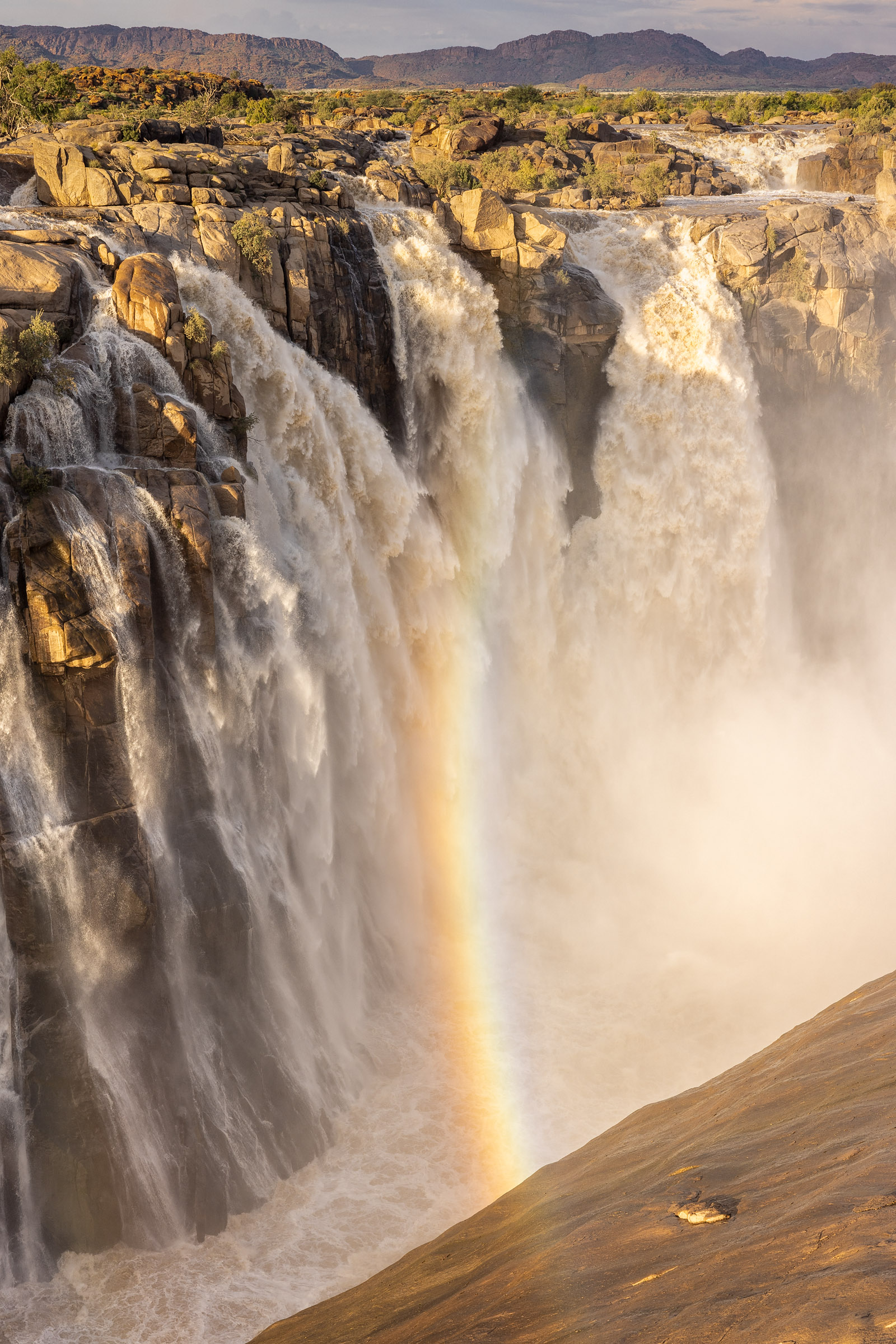
Augrabies Falls, Augrabies National Park, Northern Cape Province, South Africa.
Canon EOS R5 with Canon RF28-70mm f/2L IS USM lens @55mm.
ISO 200. 1/250 sec at f/8. Aperture priority exposure mode.
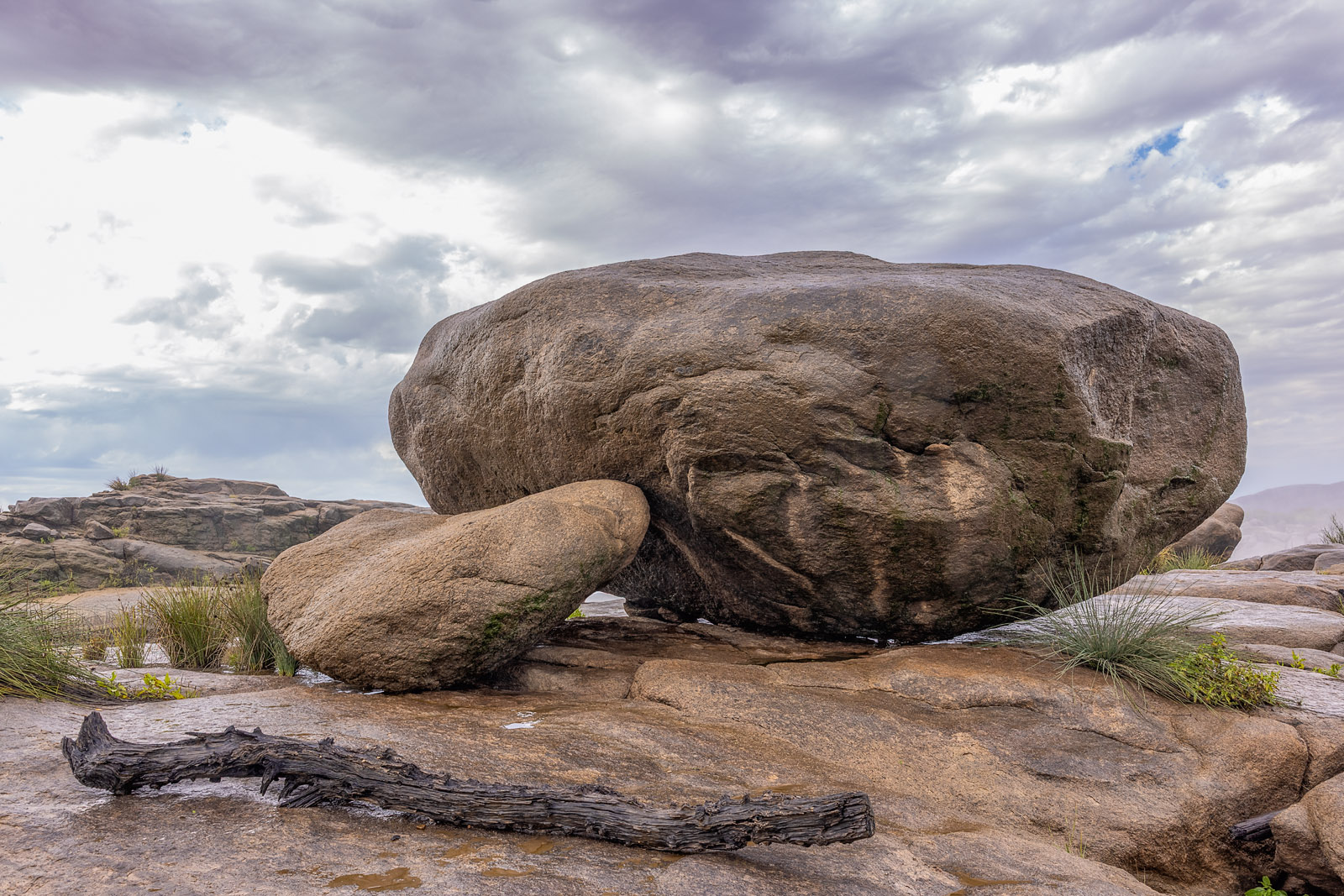
Augrabies Falls, Augrabies National Park, Northern Cape Province, South Africa.
Canon EOS R5 with Canon RF28-70mm f/2L IS USM lens @ 28mm.
ISO 200. 1/50 sec at f/8. Aperture priority exposure mode.
The surroundings were drenched in spray and you needed rain gear anywhere near the falls as you quickly got drenched. Even our chalet’s verandah, which was some 100 metres from the main falls, was soaking wet. The mist rose high into the air and it just depended on the wind direction whether you could get anywhere closer to the falls. The below image was captured just as the sun was rising. The flow rate according to board in the park office was in excess of 4000 cubic metres per second. The record was in 1988 at 6800 which is three times the annual average of the Niagara Falls.
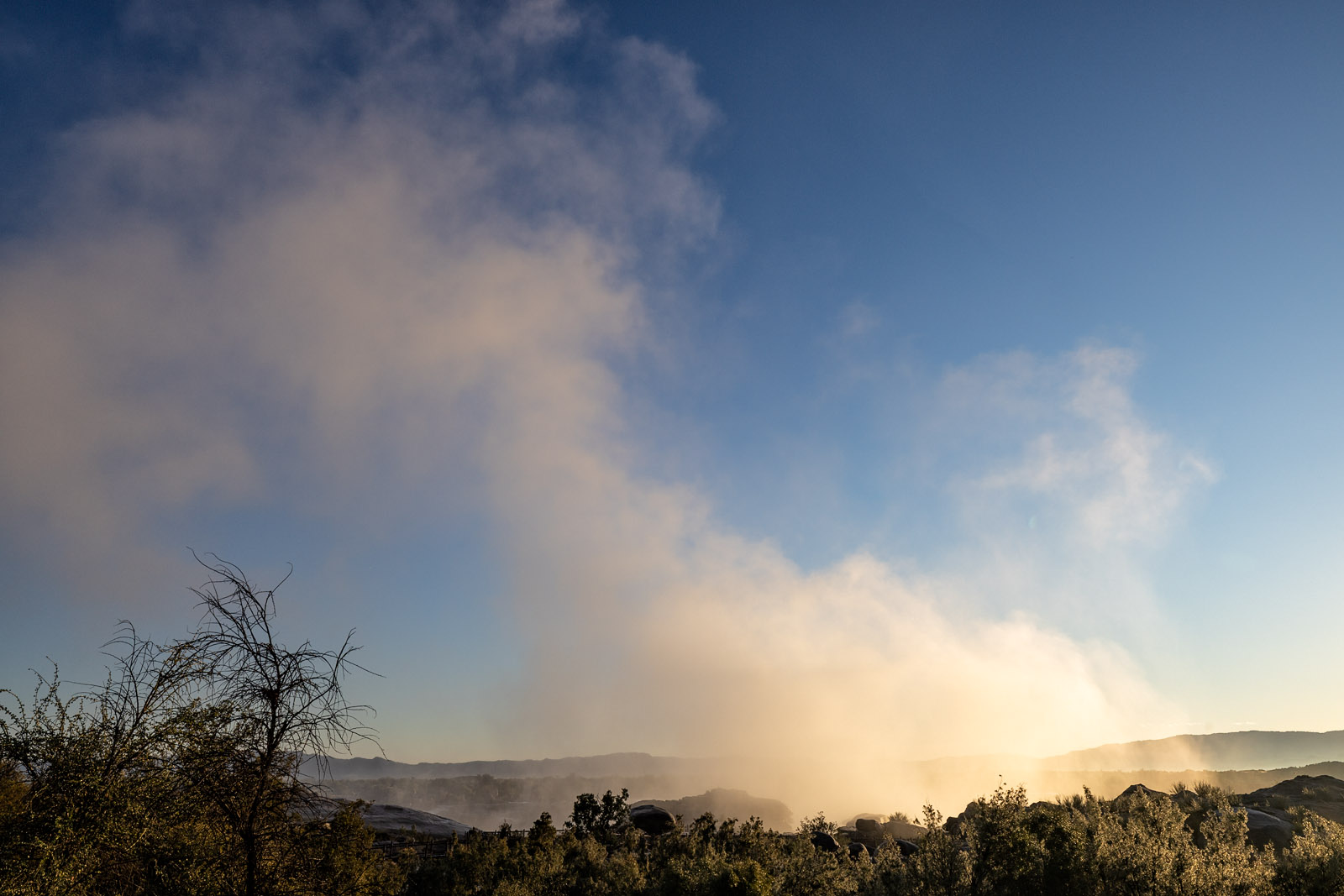
Augrabies Falls, Augrabies National Park, Northern Cape Province, South Africa.
Canon EOS R5 with Canon RF15-35mm f/2.8L IS USM lens @ 25mm.
ISO 200. 1/400 sec at f/11. Aperture priority exposure mode.
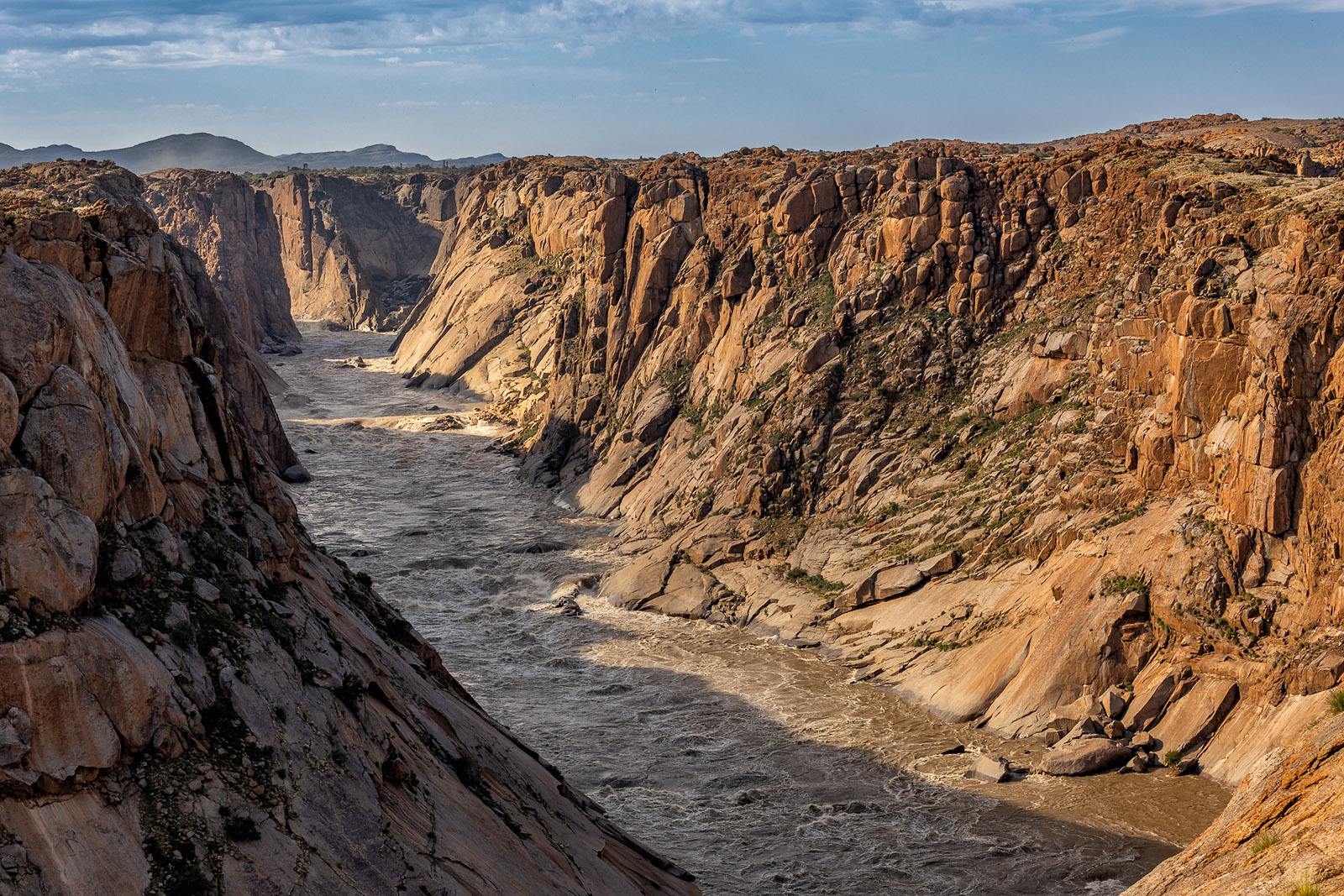
Augrabies National Park, Northern Cape Province, South Africa.
Canon EOS R3 with Canon RF70-200mm f/2.8L IS USM lens @ 70mm.
ISO 200. 1/160 sec at f/11. Aperture priority exposure mode.
The gorge, roughly 18 km long and up to 240 metres deep resonates with the water’s energy. The images above and below show some parts of the gorge from viewpoints. The former from Ararat and the latter from Gorge Cottage, where there was a strong set of rapids as the Orange River makes its way westward to the Atlantic ocean some 400 km away. The rock in the gorge is some of the oldest on earth – smooth, rounded, pale grey granite boulders sculpted over millions of years into extraordinary forms. The river has polished the rock walls to an almost silky smooth finish in places.
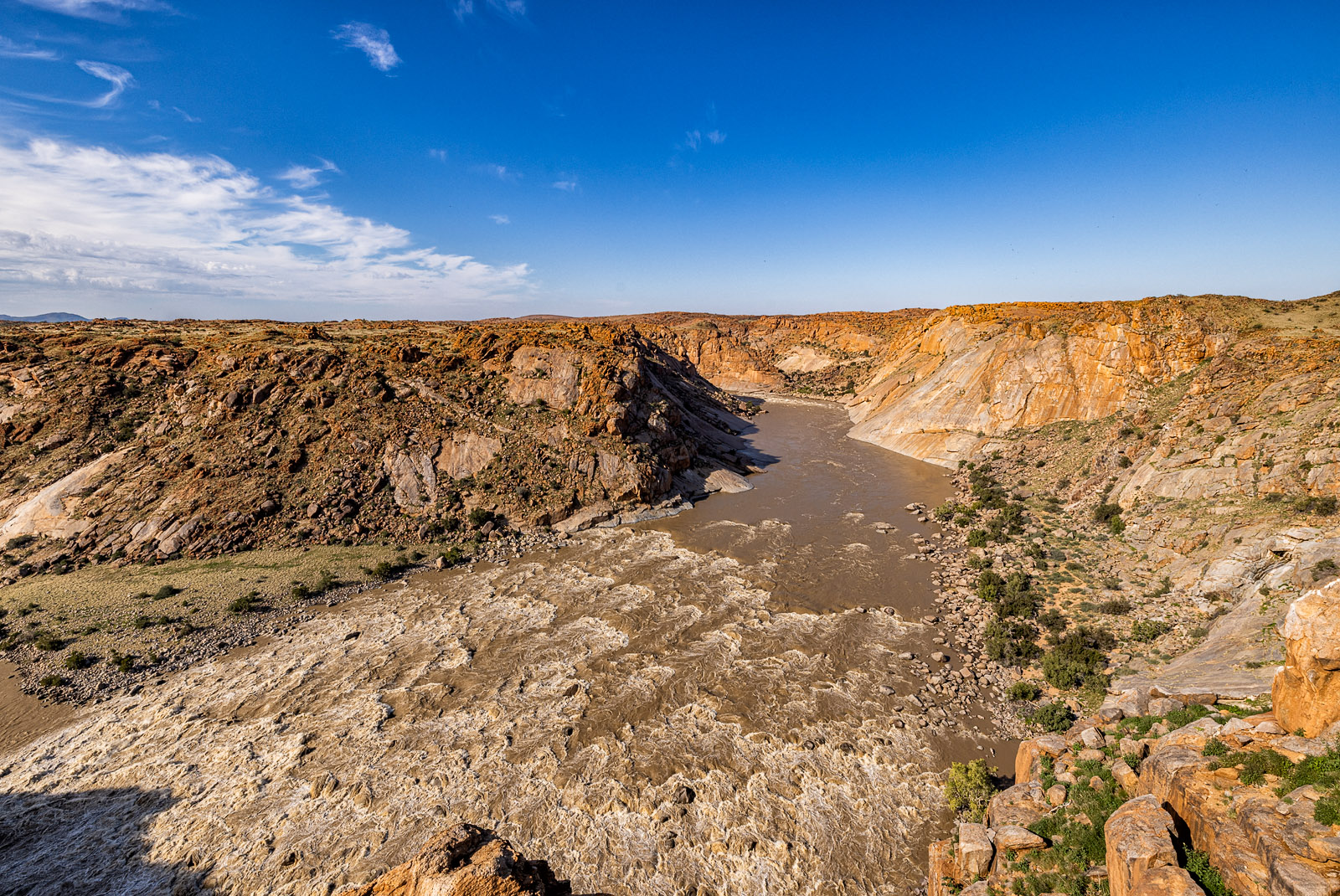
Augrabies National Park, Northern Cape Province, South Africa.
Canon EOS R5 with Canon RF15-35mm f/2.8L IS USM lens @ 15mm.
ISO 200. 1/200 sec at f/11. Aperture priority exposure mode.
However, the Augrabies National Park is not just about the falls and the gorge. There are superb drives around the otherwordly landscape – quite unlike anywhere else in South Africa with the possible exception of the Richtersveld. The park sits in the Gordonia region of the Northern Cape, essentially the edge of the Kalahari. The landscape is arid succulent shrubland clinging to a rocky terrain. On my last visit I remember the terrain as Martian-like with rocky areas and red sand and virtually no vegetation. However with the high rainfall recently experienced, the scene was transformed with the rocks now showing areas of beautifully coloured grasses and some green shubbery.
The following few images show the overall landscape, Moon Rock (one very large continuous granite outcrop), dramatic rock formations like small koppies, and rocks sculptured into amazing shapes. In the sixth image below one of the rocks looks just like the skull of an ancient ape or Neanderthal man. The holes carved out on the rocks must suggest that they were formed by water over millions of years. We were intrigued by the large patches of white droppings down the rocky outcrops, which we initially thought could be from raptors. However, on closer inspection they seem to be from Dassie (Rock Hyrax) middens on the rock edges. With rainfall over time, they form the white streaks down the rocks.
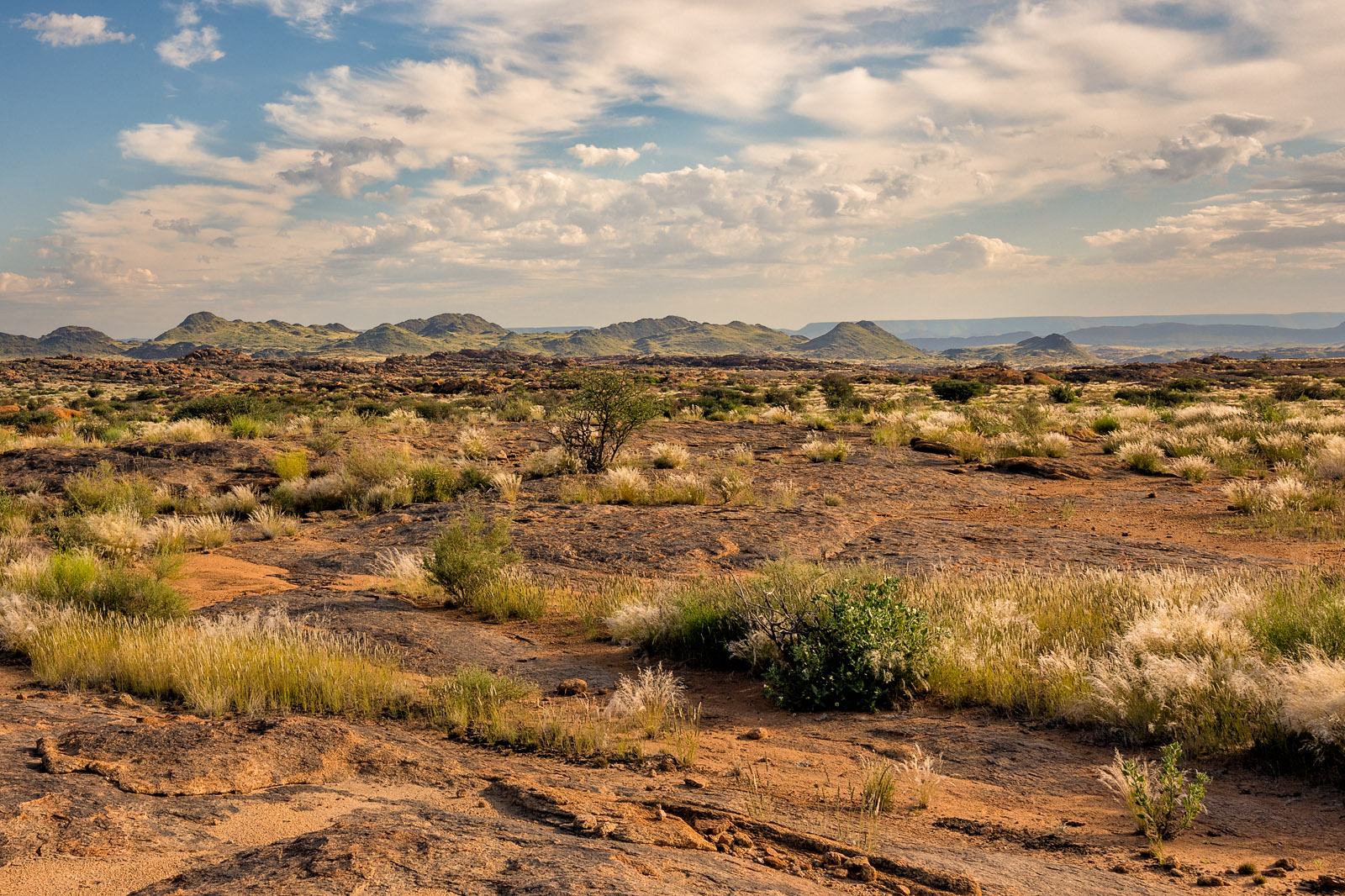
Augrabies National Park, Northern Cape Province, South Africa.
Canon EOS R5 with Canon RF28-70mm f/2L IS USM lens @ 28mm.
ISO 200. 1/250 sec at f/8. Aperture priority exposure mode. EV= -2/3
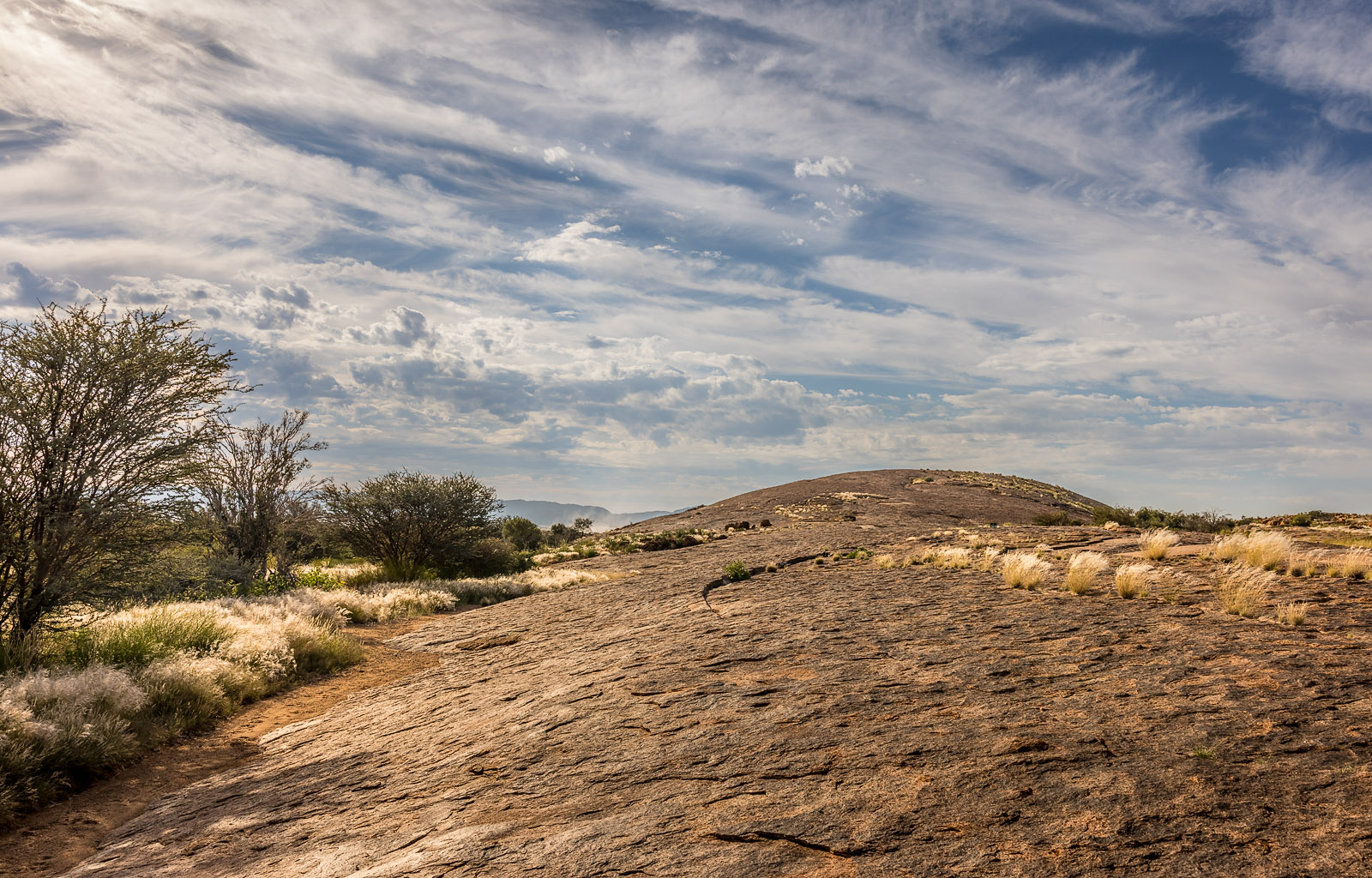
Moon Rock. Augrabies National Park, Northern Cape Province, South Africa.
Canon EOS R5 with Canon RF28-70mm f/2L IS USM lens @ 28mm.
ISO 200. 1/500 sec at f/8. Aperture priority exposure mode. EV= -1
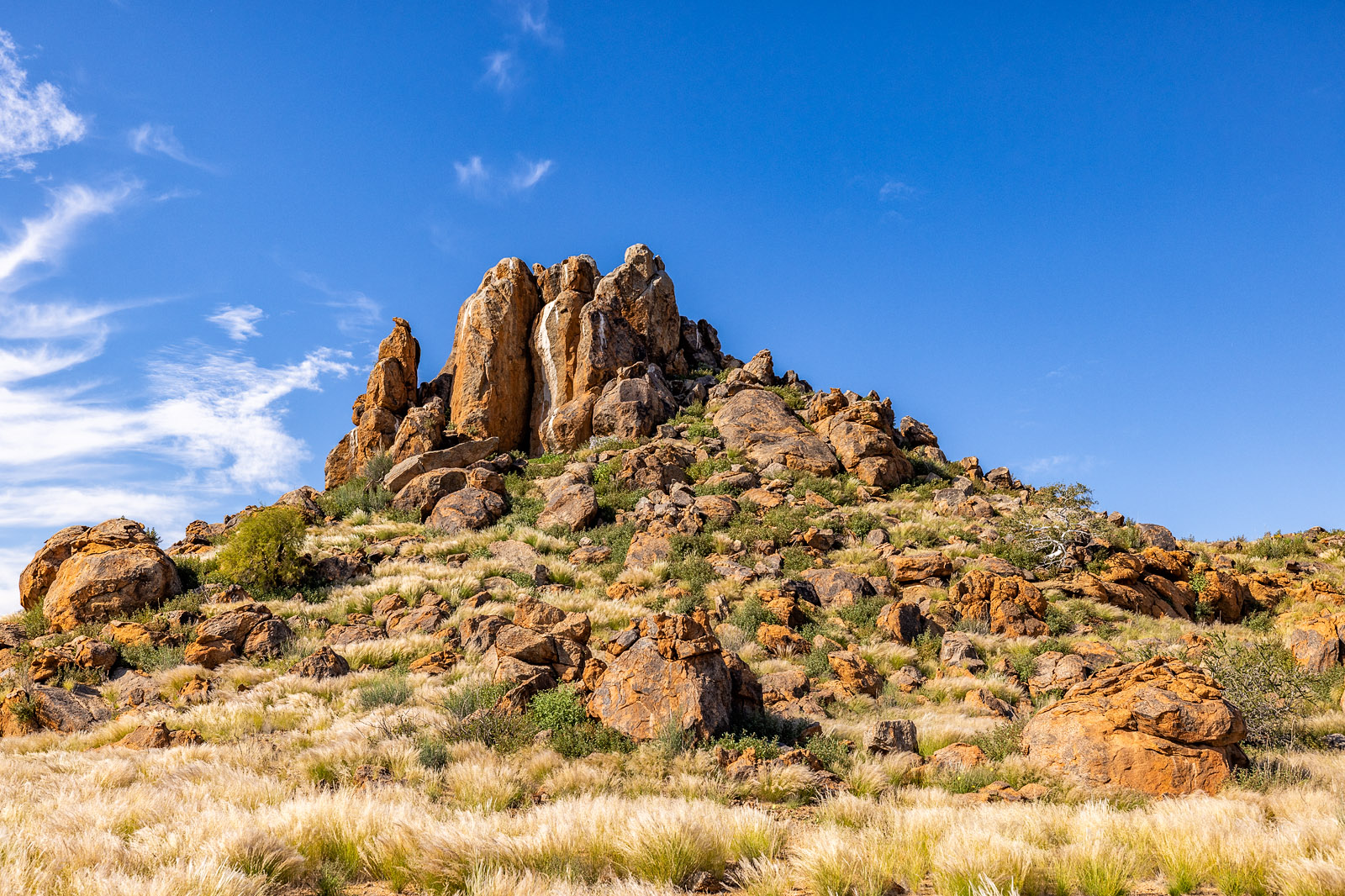
Y
Augrabies National Park, Northern Cape Province, South Africa.
Canon EOS R5 with Canon RF28-70mm f/2L IS USM lens @ 28mm.
ISO 200. 1/500 sec at f/8. Aperture priority exposure mode. EV= -1
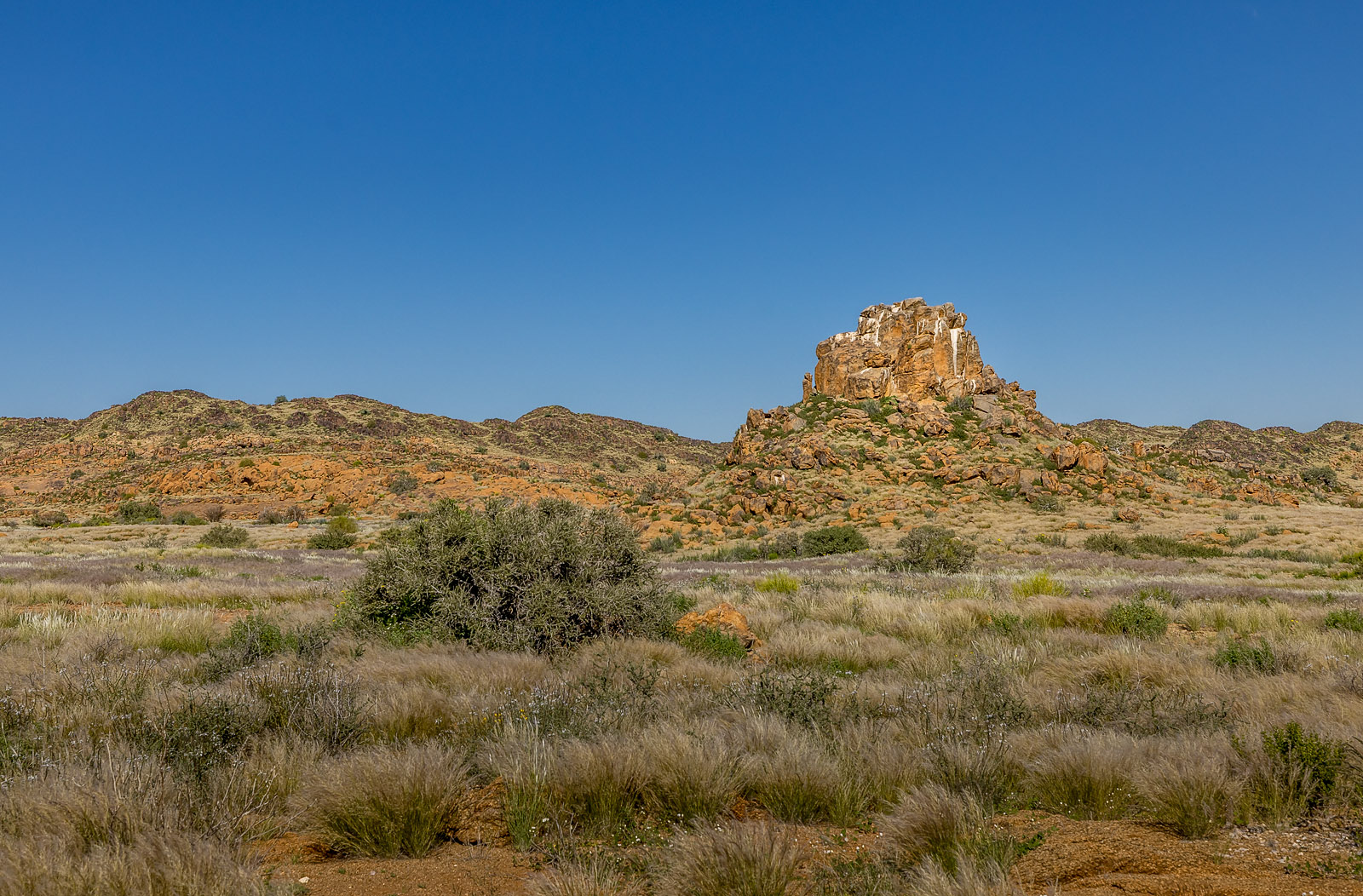
Augrabies National Park, Northern Cape Province, South Africa.
Canon EOS R5 with Canon RF15-35mm f/2.8L IS USM lens @ 33mm.
ISO 400. 1/1600 sec at f/8. Aperture priority exposure mode. EV=0
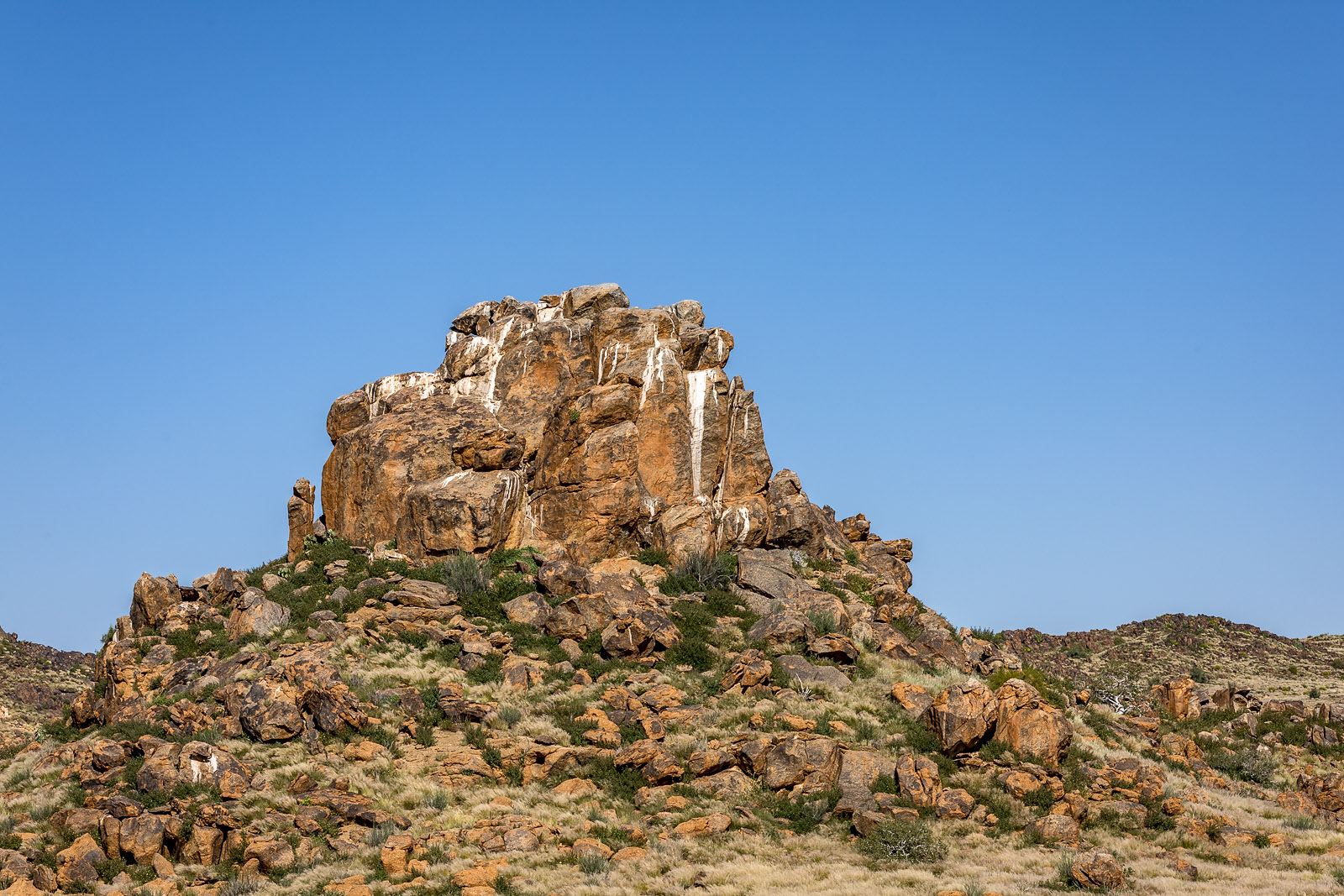
Augrabies National Park, Northern Cape Province, South Africa.
Canon EOS R3 with Canon RF 70-200mm f/2.8L IS USM Z lens @ 130mm.
ISO 200. 1/400 sec at f/8. Aperture priority exposure mode. EV=+1/3
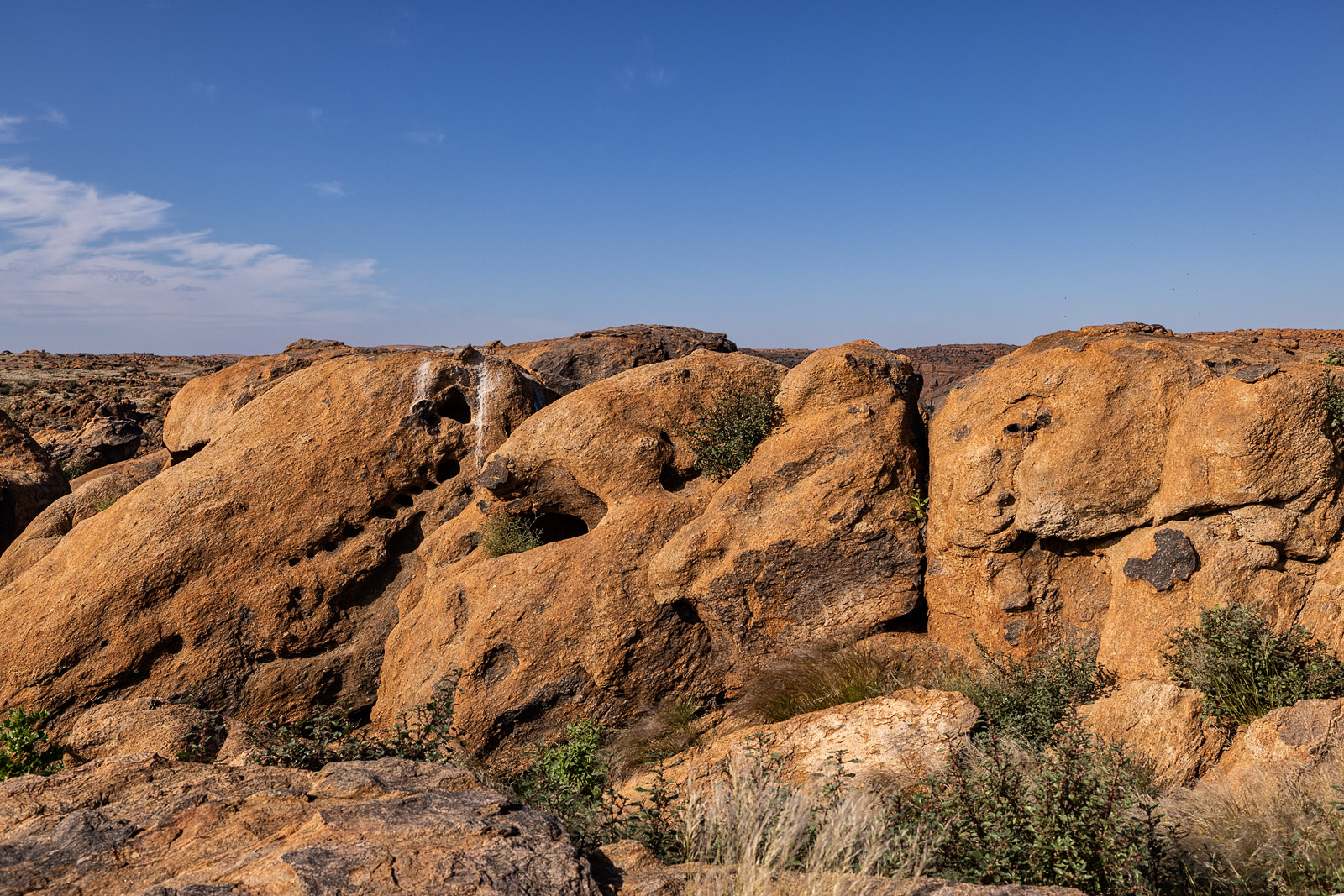
Augrabies National Park, Northern Cape Province, South Africa.
Canon EOS R5 with Canon RF 15-35mm f/2.8L IS USM lens @ 31mm.
ISO 400. 1/1600 sec at f/8. Aperture priority exposure mode. EV=0
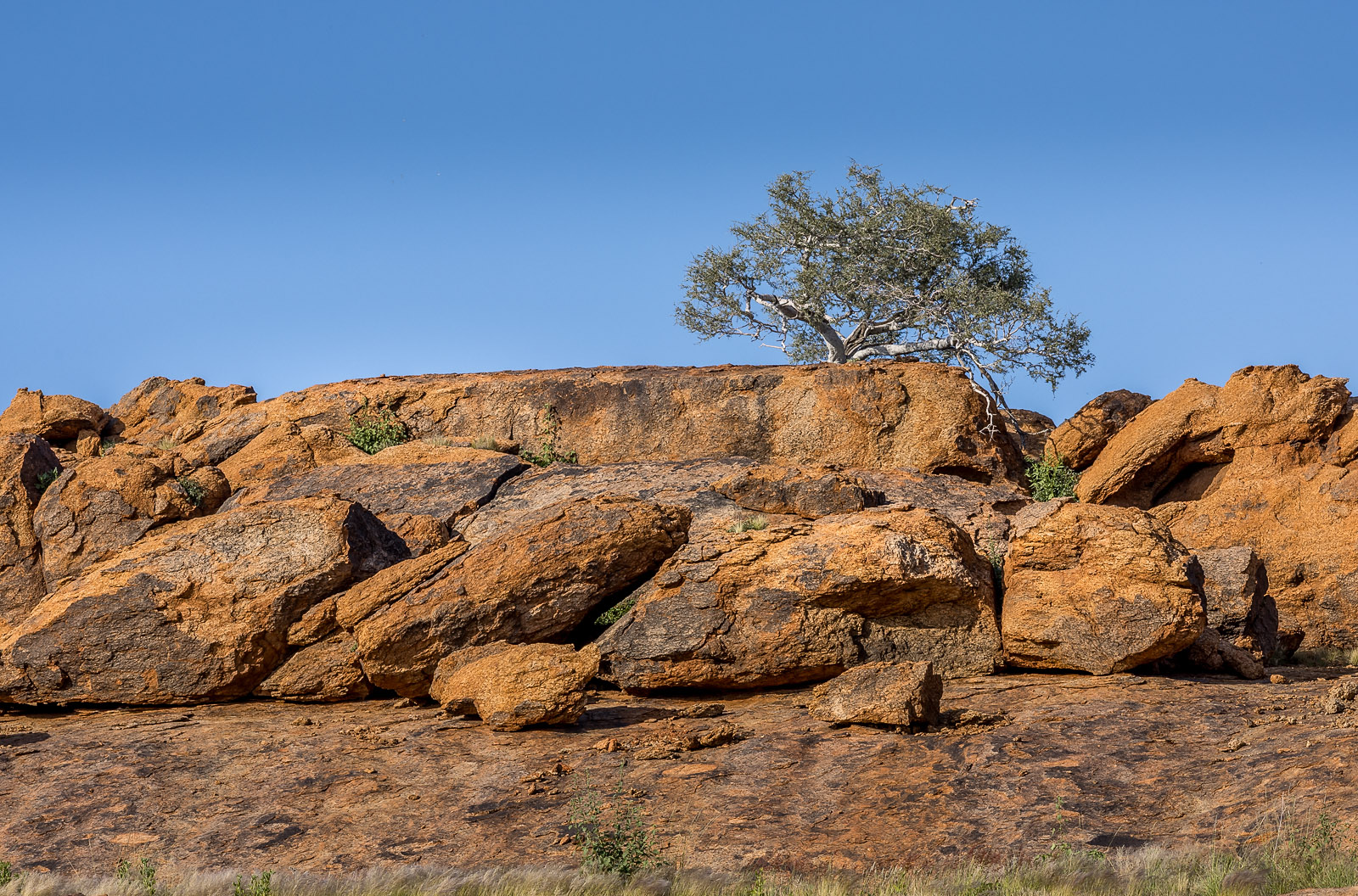
Augrabies National Park, Northern Cape Province, South Africa.
Canon EOS R3 with Canon RF 70-200mm f/2.8L IS USM Z lens @ 173mm.
ISO 200. 1/250 sec at f/8. Aperture priority exposure mode. EV=0
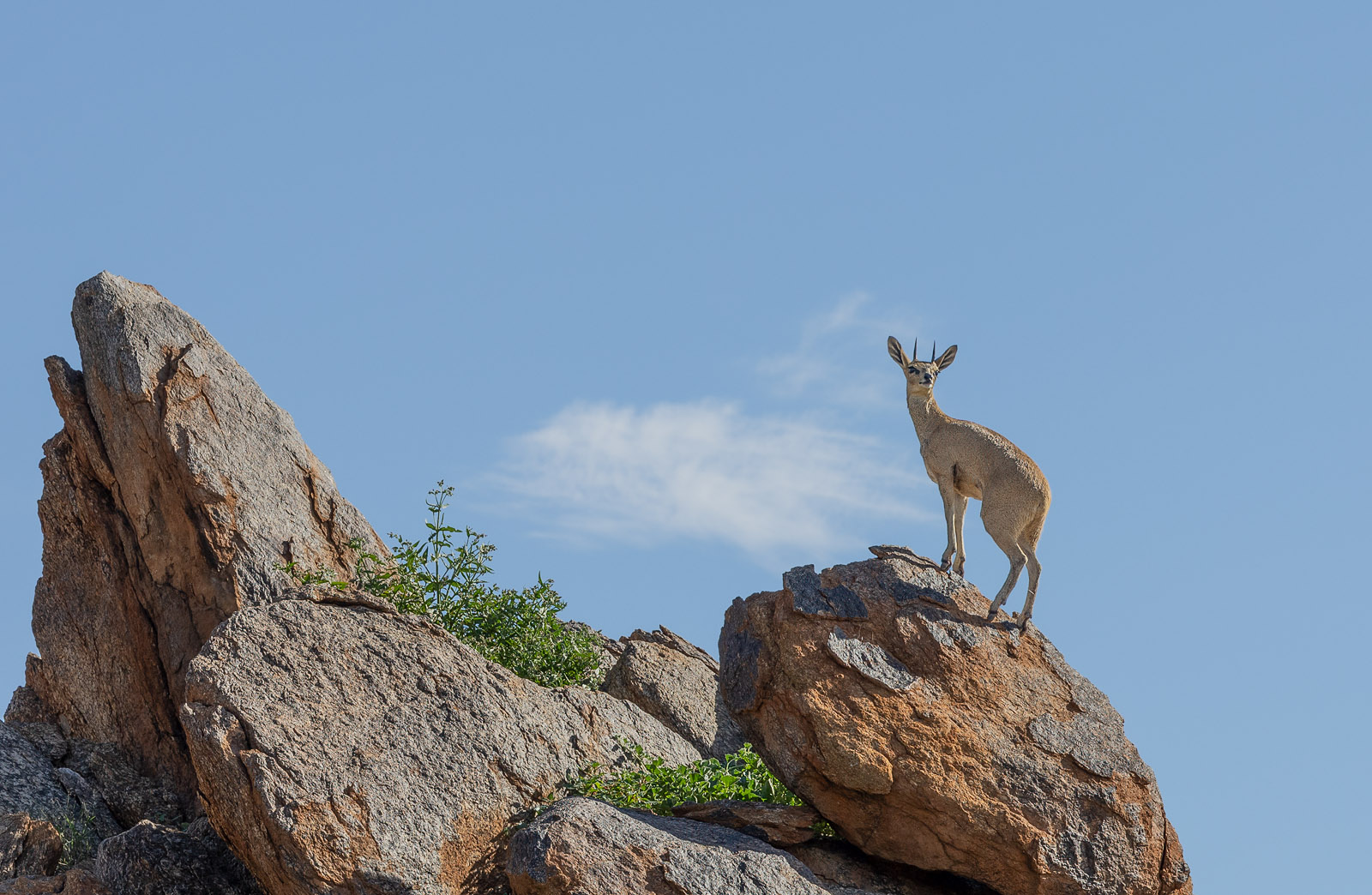
Klipspringer (Oreotragus oreotragus).
Augrabies National Park, Northern Cape Province, South Africa.
Canon EOS R3 with Canon RF 70-200mm f/2.8L IS USM Z lens @ 159mm.
ISO 200. 1/400 sec at f/8. Aperture priority exposure mode. EV=0
We did not see much in the way of wildlife – but then we were so taken with the drama and colours of the landscape. However there were Dassies and the inimitable Klipspringers (Oreotragus oreotragus). The image above was notable for me as to the exact colour matching with its surrounding rocks.
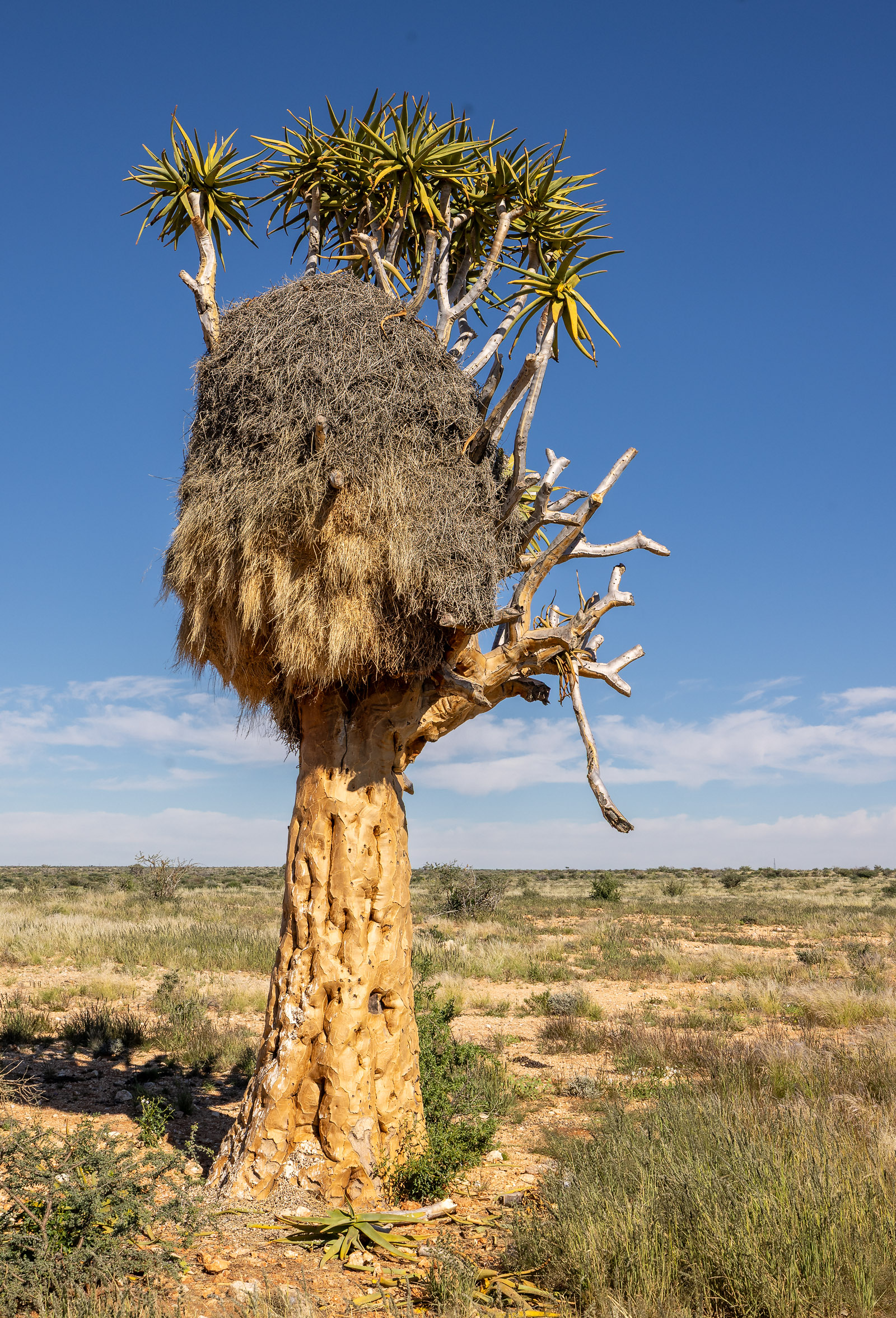
There is also a section at the far western end of the park where attempts are being made to preserve the quiver trees found in this area. They are being threatened by a number of factors – one being the big nests of the Sociable Weavers that eventually lead to them falling over.
If you venture into the Augrabies National Park, do yourself a favour and give ample time to explore the greater park. The falls are spectacular but the landscape unusual and dramatic.
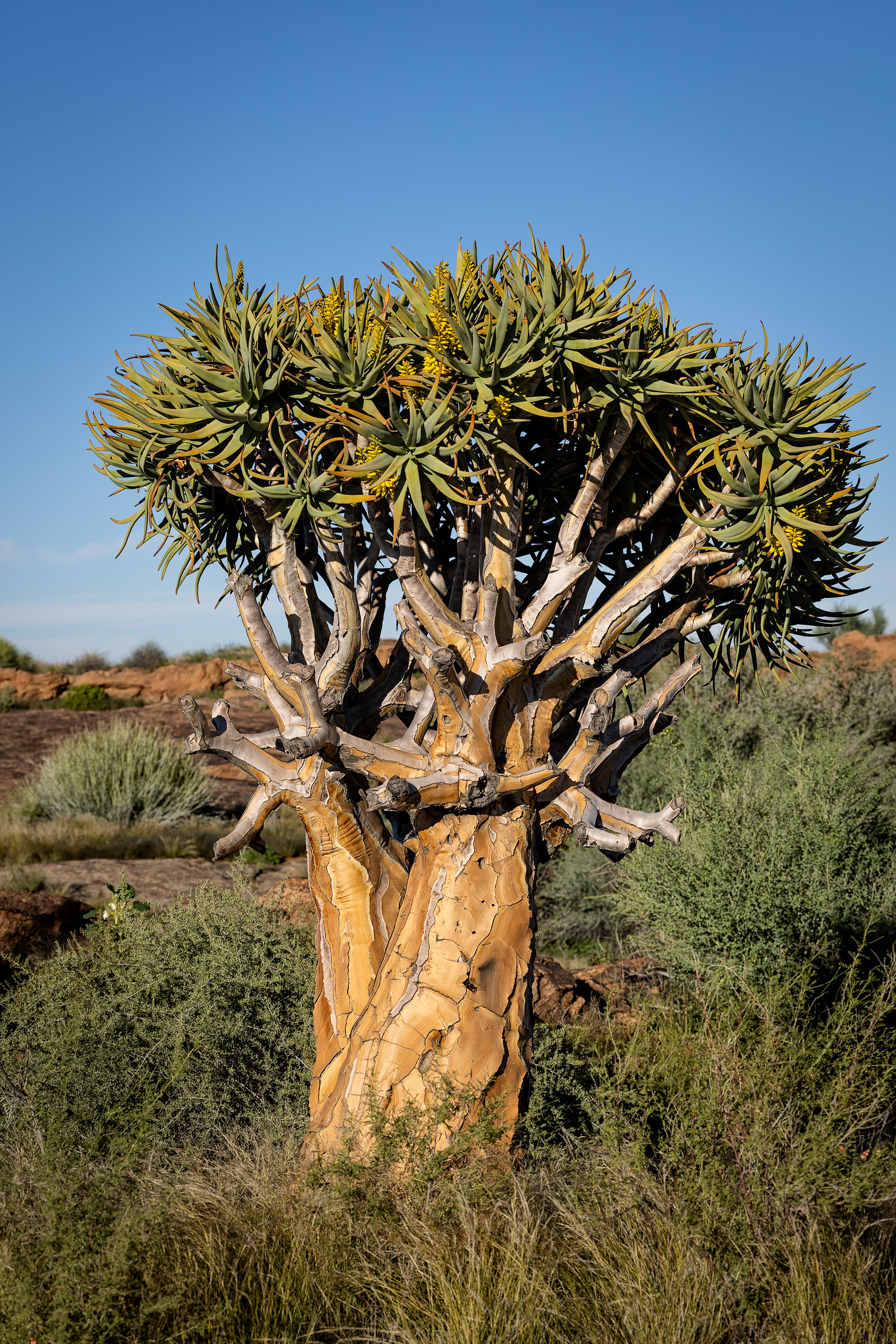
Quiver tree (Aloidendron dichotomum).
Augrabies National Park, Northern Cape Province, South Africa.
Canon EOS R5 Mark II with Canon RF 70-200mm f/2.8L IS USM Z lens @ 70mm.
ISO 800. 1/2500 sec at f/5.6. Exposure set manually.
Quiver tree (Aloidendron dichotomum).
Augrabies National Park, Northern Cape Province, South Africa.
Canon EOS R5 with Canon RF 15-35mm f/2.8L IS USM lens @ 35mm.
ISO 200. 1/250 sec at f/8. Aperture priority exposure mode. EV =0
The first two evenings that we had in the park, there were no clouds on the western horizon at sunset. However, the last evening the clouds played ball and gave me the opportunity the take some sunset pictures looking down the gorge near the falls to the western horizon.
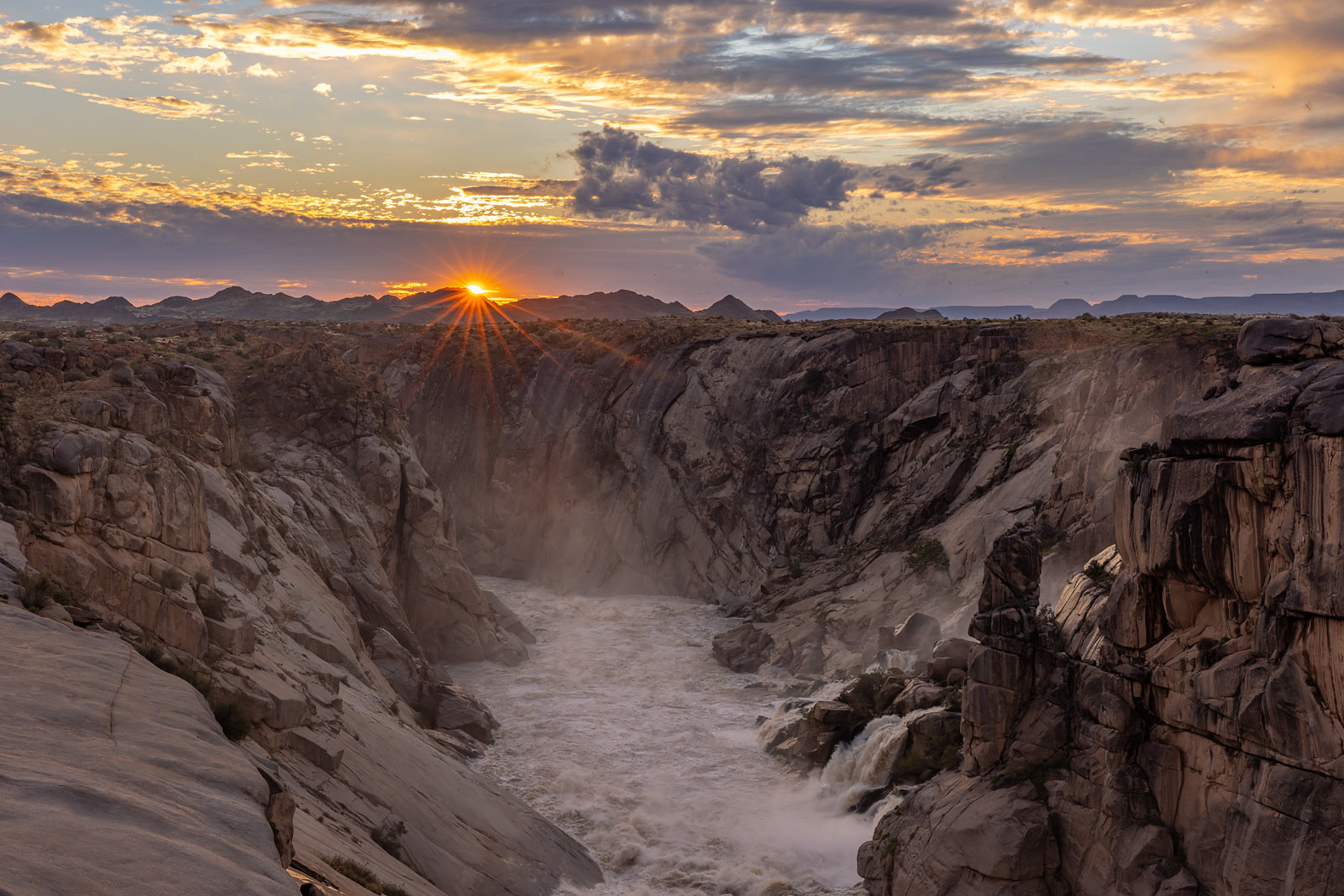
Augrabies National Park, Northern Cape Province, South Africa.
Canon EOS R5 with a Canon RF28-70mm f/2L IS USM lens @ 47mm.
ISO 200. 1/60 sec at f/11. Aperture priority exposure mode. EV=-2
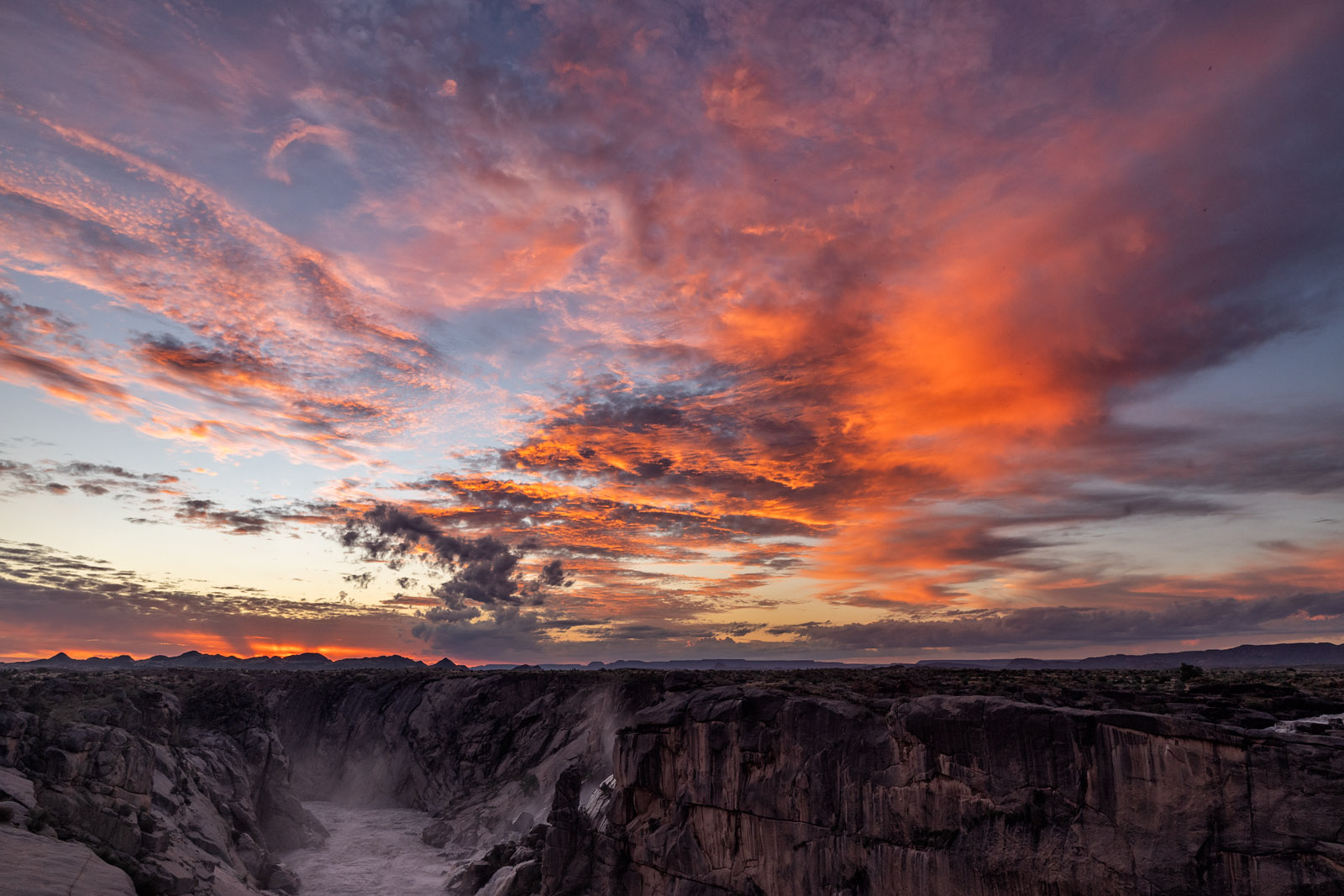
Augrabies National Park, Northern Cape Province, South Africa.
Canon EOS R5 with a Canon RF 15-35mm f/2.8L IS USM lens @ 20mm.
ISO 200. 1/25 sec at f/8. Aperture priority exposure mode. EV=-1.33
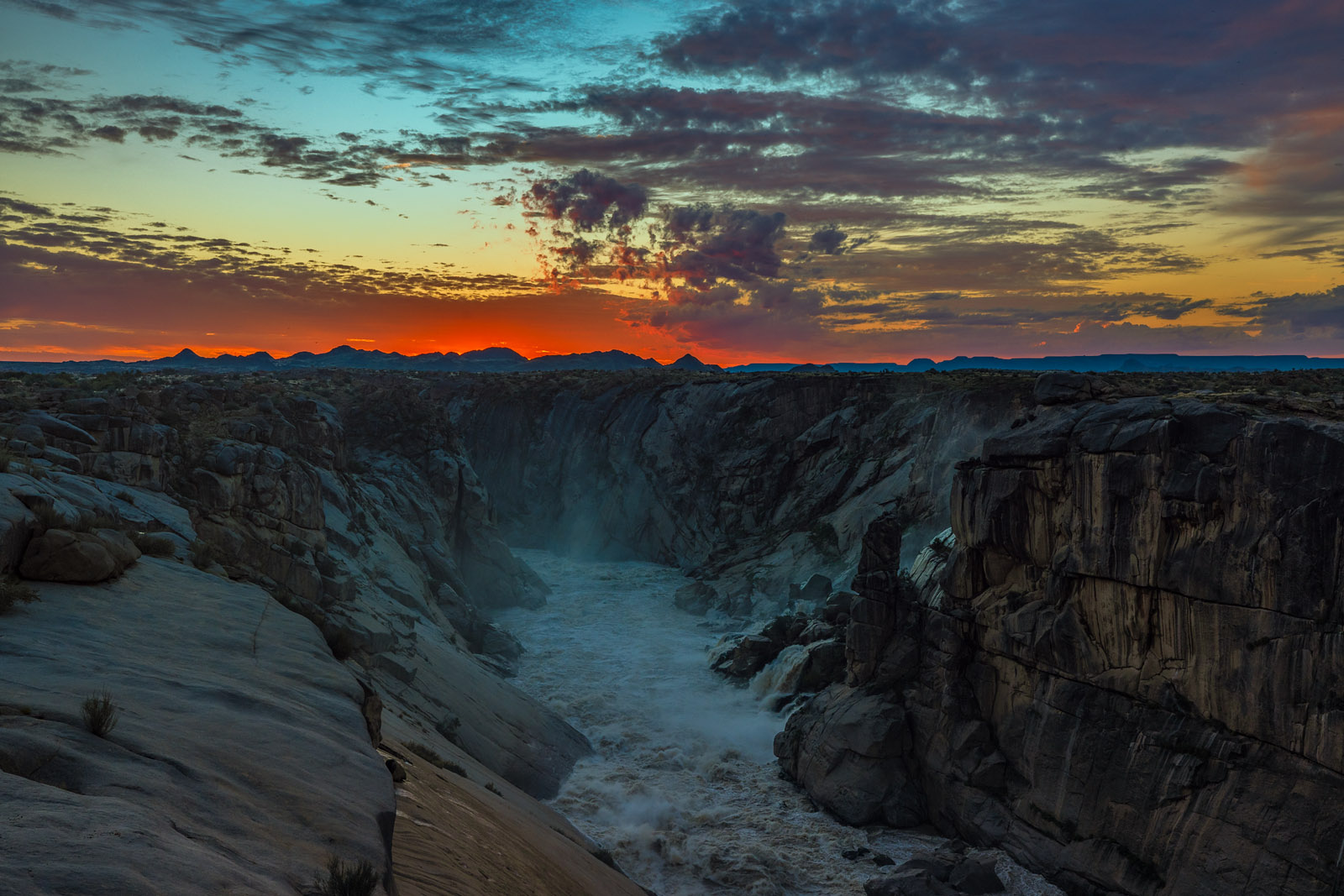
Augrabies National Park, Northern Cape Province, South Africa.
Canon EOS R5 with a Canon RF 15-35mm f/2.8L IS USM lens @ 35mm.
ISO 200. 1/30 sec at f/8. Aperture priority exposure mode. EV=-2
This turned out to be a great stopover before venturing into the Kgalagadi Transfrontier Park. we were just very fortunate to experience the park at this time. The rains are often earlier so we just struck it very lucky. I will do a separate blog on the Kgalagadi.
The pictures auf the falls are great, as well as the Klipspringer
I haven’t visited this area yet, but it’s now on my list. I love the Quiver tree photos and the way the rock formations spark the imagination, forming images of objects and all living creatures, from animals to people. Beautiful work—once again, outstanding photography.
Thanks Ed. It is a fascinating place and off the beaten track